
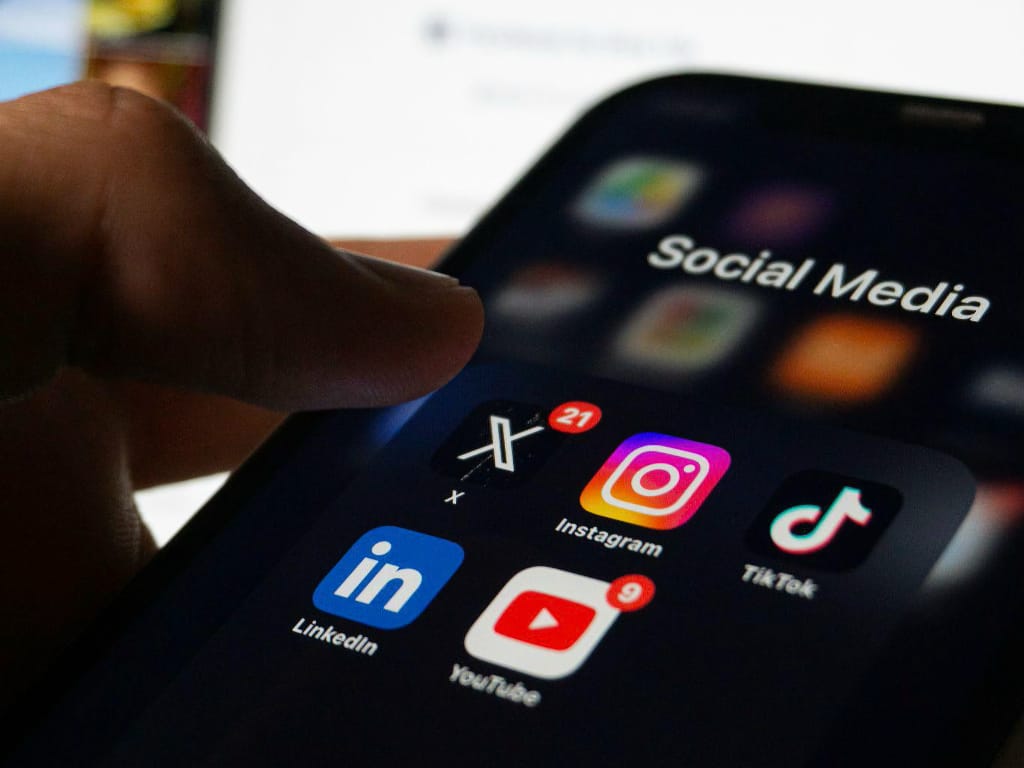
It was not too long ago when the highlight of family gatherings was when a teenager or college student tried to explain to his or her grandparents how the Internet works, what a website is, and the etiquette of conversing with people online, both people you have met before and people you have not. These days, even the elders are chronically online, sharing clickbait that no one with a third-grade level of analytical skills would find plausible. It is possible to know enough about people based on their online presence to know whether they are telling you the truth when you talk to them in person. J
ob candidates and hiring managers study each other’s LinkedIn profiles before interviews, and not only does each find out where the other went to college and previously worked, but they can also get a feel for each other’s conversational style and values based on the congratulatory comments they post in response to announcements by their coworkers and former classmates. You can safely assume that anyone who does not know you well but has a reason to be interested in you will read everything that you post publicly online; this includes people who want to prove that you deserve less money than you are requesting for a personal injury claim. For help envisioning how your social media footprint will look to a car insurance company or to the driver who caused your injuries, contact a Santa Fe motor vehicle accidents and car accidents lawyer.
Document Everything But Share Very Little
Whether you are seeking compensation for car accident-related medical bills through an insurance claim or a personal injury lawsuit, you can only get the money you are requesting by providing evidence that your injuries are the result of the accident, and not some other cause, and that your injuries are as serious as you say they are. Meanwhile, the person who will pay if your claims are true tries to cast doubt on them.
What does this have to do with your online presence? Yes, the medical records themselves are protected by privacy laws, but your social media posts can reveal information about your health. If you post pictures of yourself playing sports or engaging in recreation after claiming to the insurance company or court that you cannot do those things, it makes your claims less credible. Likewise, if you have posted before the accident about your health problems, the defendant may cite these posts as evidence to show that your ill health is at least partially due to pre-existing conditions. This does not mean that, if you have a chronic illness, you should not speak about it online; communicating with others who have similar health struggles can be a source of community and friendship and can help you manage your symptoms. If you do this, you should be prepared to make your case in court about which symptoms existed before the accident and which ones did not.
Contact Slate Stern About Car Accident Lawsuits
Slate Stern is a personal injury lawyer who represents plaintiffs injured in car accidents in New Mexico. Contact Slate Stern in Santa Fe, New Mexico, or call (505)814-1517 to discuss your case.
Sources
https://alexanderorthopaedics.com/blog/common-back-injuries-from-a-car-accident/
Photo by Berke Citak on Unsplash